EV Adoption Forecasting

Predicting Electric Vehicle Adoption Patterns Across London Boroughs

The EV Adoption module predicts how likely each synthetic individual is to switch to an electric vehicle and estimates when they will make the switch. This intelligence enables targeted planning for charging infrastructure and helps understand adoption patterns across demographics and geographies.

Forecasting electric vehicle adoption is critical for urban sustainability and infrastructure planning. Understanding adoption patterns can help local governments and businesses make informed decisions regarding EV charging stations and incentives.

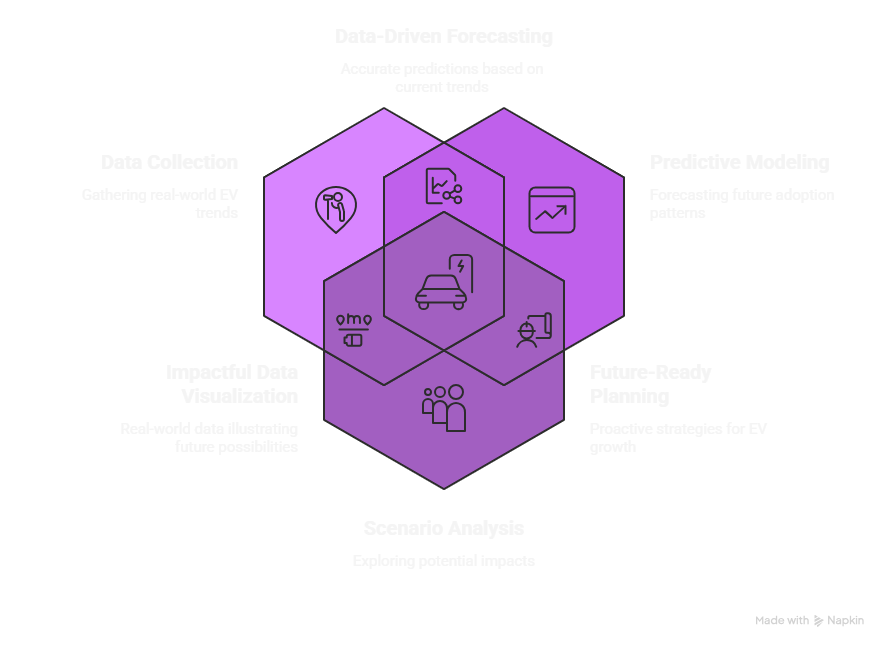
EV Workflow

Analyzing Electric Vehicle Adoption in London

Data Collection

Gather data on current EV registrations, demographics, socio-economic factors, and existing infrastructure across London boroughs

Predictive Modeling

Use machine learning algorithms to analyze historical data and identify trends. Techniques such as regression analysis and time series forecasting can be employed.

Scenario Analysis

Create various adoption scenarios based on factors like government incentives, fuel prices, and technological advancements.
Likelihood Scoring Model

Each synthetic individual receives an EV likelihood score calculated from a base rate of 15% (the average UK EV consideration rate) plus adjustments based on four key factors:

Factor
Condition
Score Adjustment
Housing
Homeowner
Renting
Social Housing
+20%
+5%
+2%
Income
£75,000+
£50,000 – £75,000
£35,000 – £50,000
Below £35,000
+20%
+15%
+8%
+0%
Age
25–40
40–55
55+
+0%
+5%
+0%
Location
Urban, good charging infra
Limited infrastructure
+5%
+0%

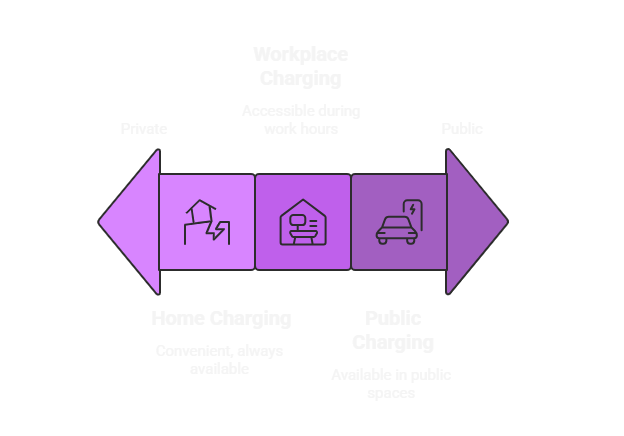
Charging Preference Distribution

How is it helping?

Home Charging (60%)

Homeowners with driveways and private parking

Workplace Charging (25%)

Full-time employees in office environments

Public Charging (15%)

Renters and those without home charging options
Need Help? We’ve Got Answers

Instead of using broad national trends, the platform uses synthetic populations to simulate individual household behaviors. By analyzing micro-demographics—such as housing type (off-street parking availability), income levels, and typical commuting patterns—the AI identifies which specific streets or boroughs are most likely to switch to electric vehicles first.


The forecasting model considers a variety of correlated attributes, including:

  • Infrastructure Access: Proximity to existing charging points and the ability to install home chargers.

  • Economic Factors: Household income and the impact of government tax benefits or subsidies.

  • Environmental Sentiment: The likelihood of a demographic to prioritize sustainability based on behavioral data.

  • Vehicle Segments: Preferences for specific EV types (e.g., SUVs vs. compact city cars) based on family size and location.

The data helps stakeholders optimize the placement of charging stations by highlighting "demand hotspots." By knowing where adoption will be highest, energy providers and local councils can allocate resources to upgrade the electrical grid and install chargers exactly where they will be needed, preventing future bottlenecks.


Yes. One of the primary uses of the forecasting tool is "What-If" scenario testing. Users can adjust variables—such as an increase in EV subsidies or a new low-emission zone (like the ULEZ)—to see how these interventions would accelerate or change the adoption timeline within a specific London borough.


Traditional forecasting often relies on static surveys or past sales data, which can be outdated or biased. Synthetic Gen’s approach uses Dynamic Synthetic Generation, which constantly evolves based on changing micro-demographics. This creates a "live" replica of the population that reacts to real-time changes in technology costs and infrastructure development, providing a more robust prediction of future demand.

Progressive Machine Learning Solutions

The Epicenter of Machine
Learning Excellence